UNESCO World Heritage Site
Welcome to the Dolomites
The Dolomites are Italy’s hidden gem — a land of soaring peaks, alpine meadows, and charming mountain villages, where nature and history meet to create a timeless adventure, far from the usual tourist paths.
Enter a natural paradise, where everything you see can be discovered by walking, hiking, climbing or biking.
A world of endless outdoor possibilities, surrounded by what have been called the world's most beautiful mountains.
A world of endless outdoor possibilities
The Dolomites of Val Badia
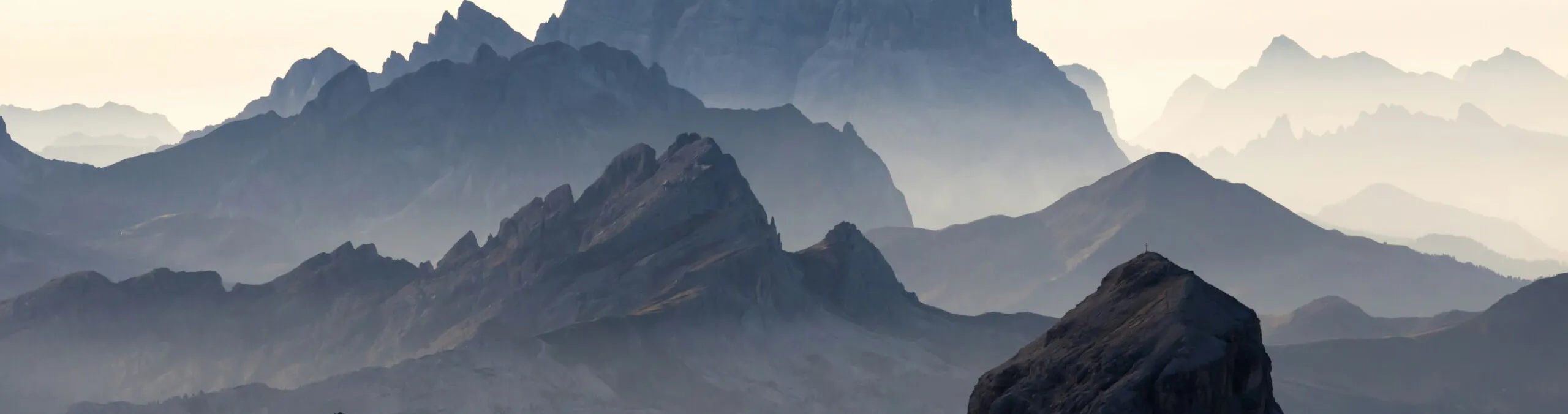
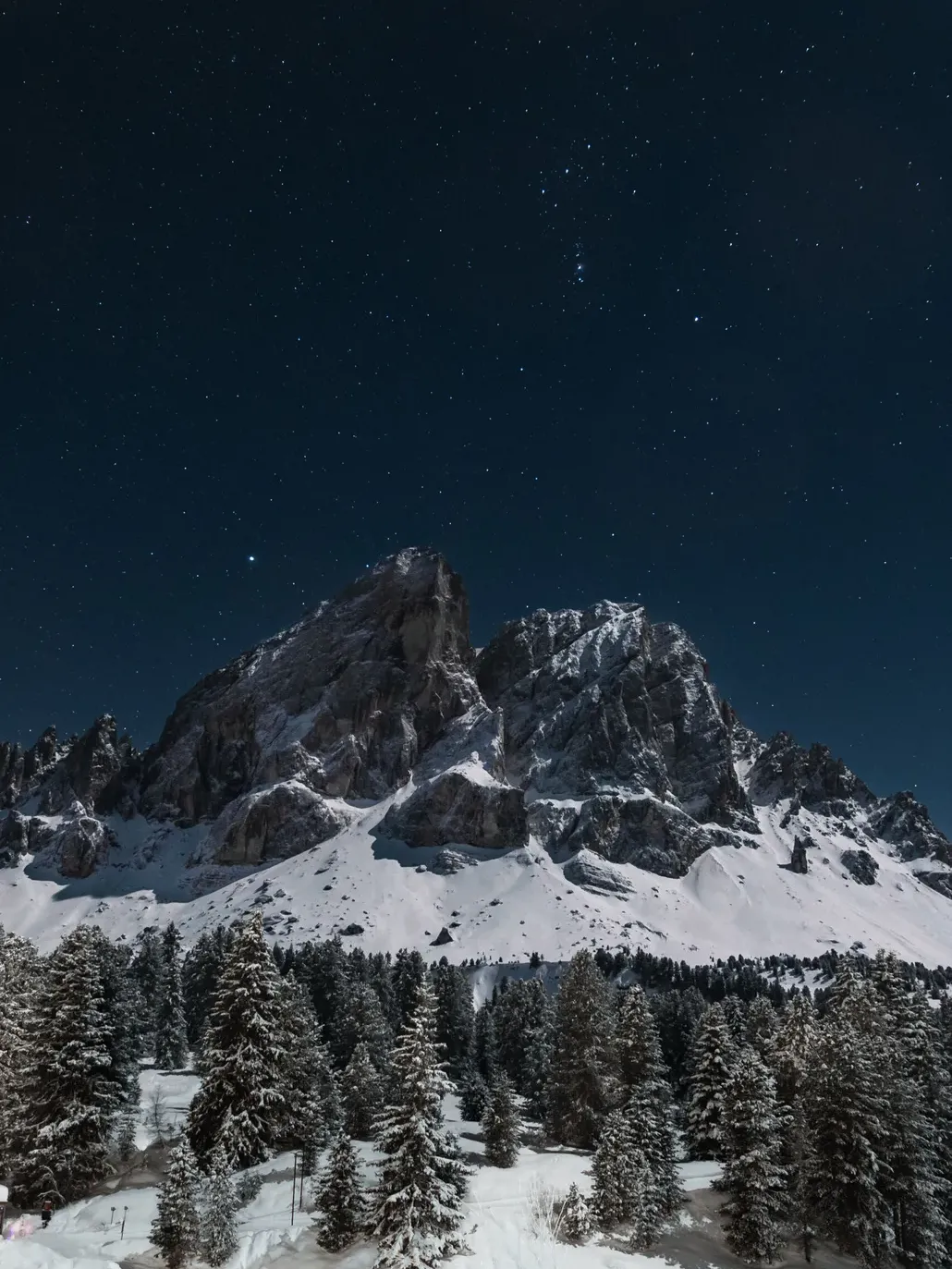
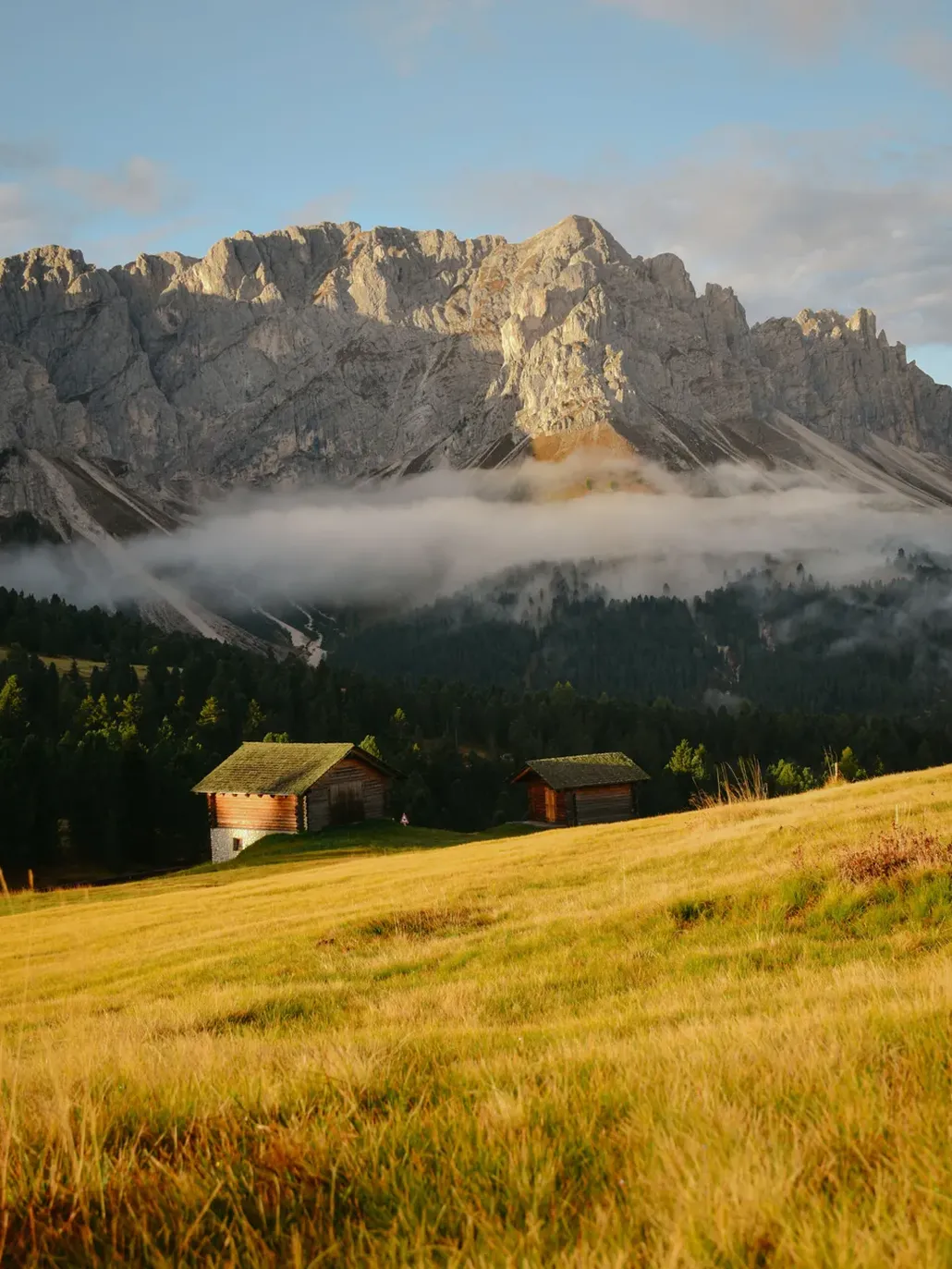
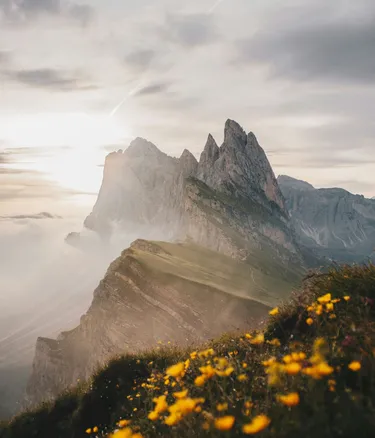
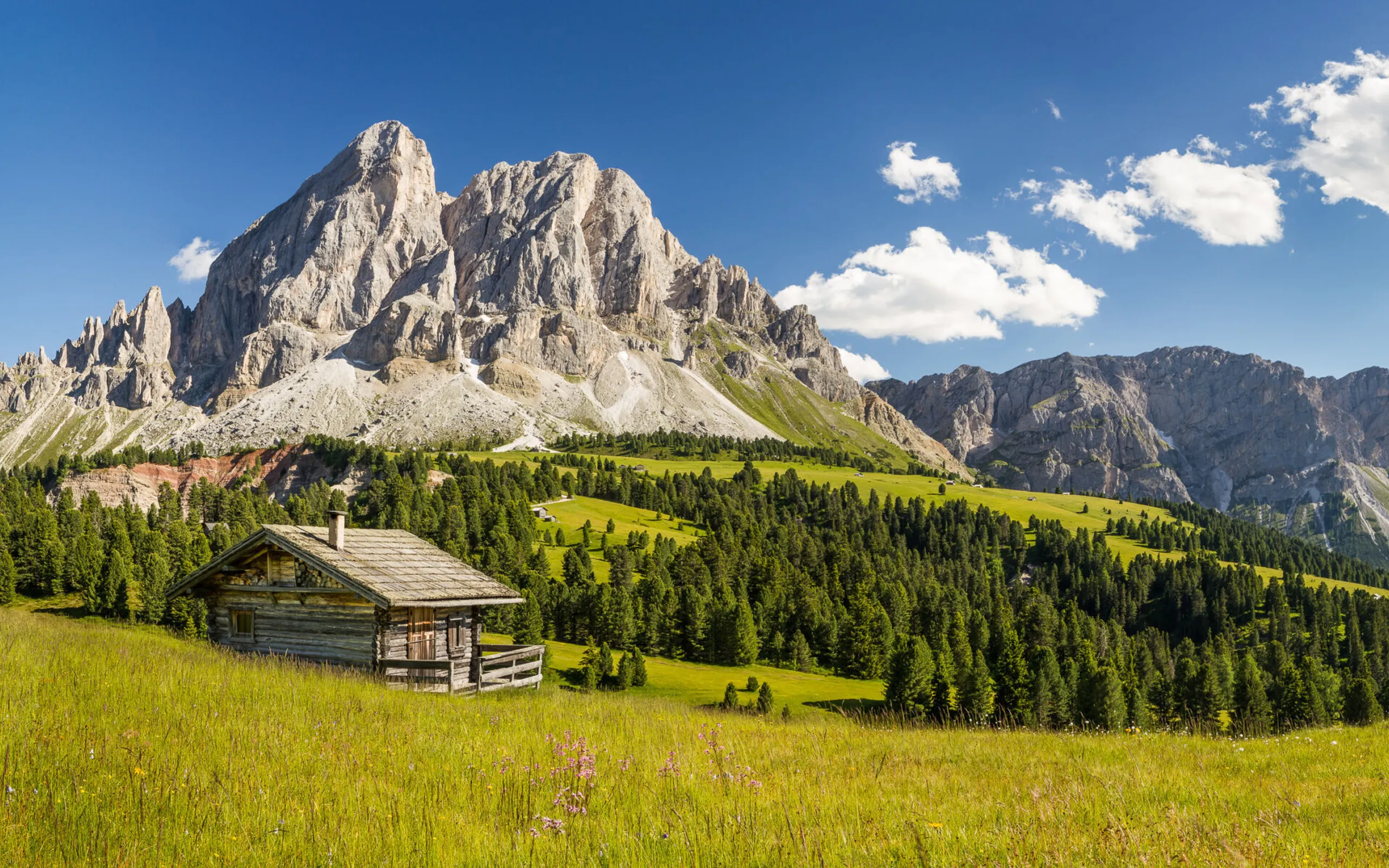
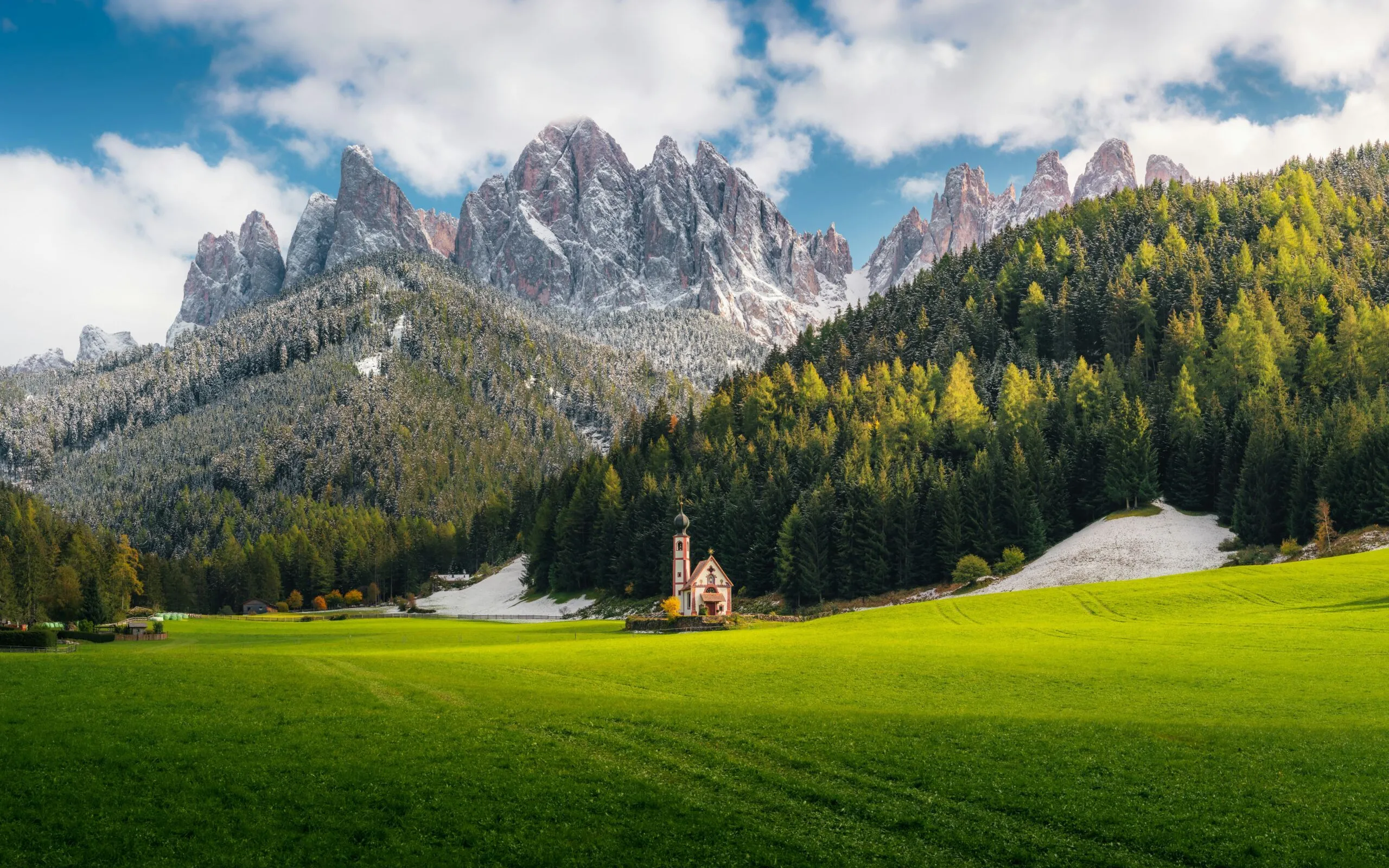
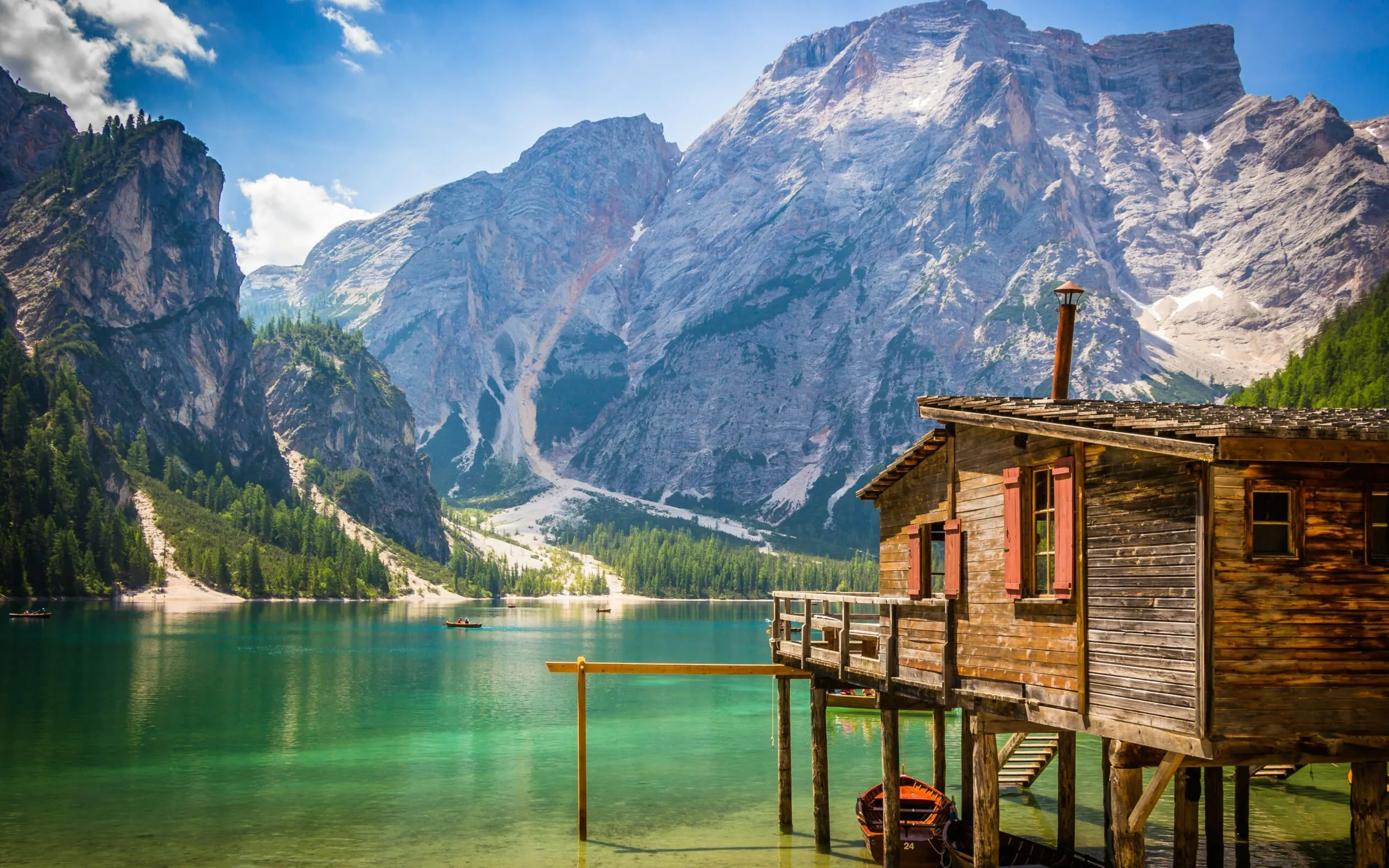
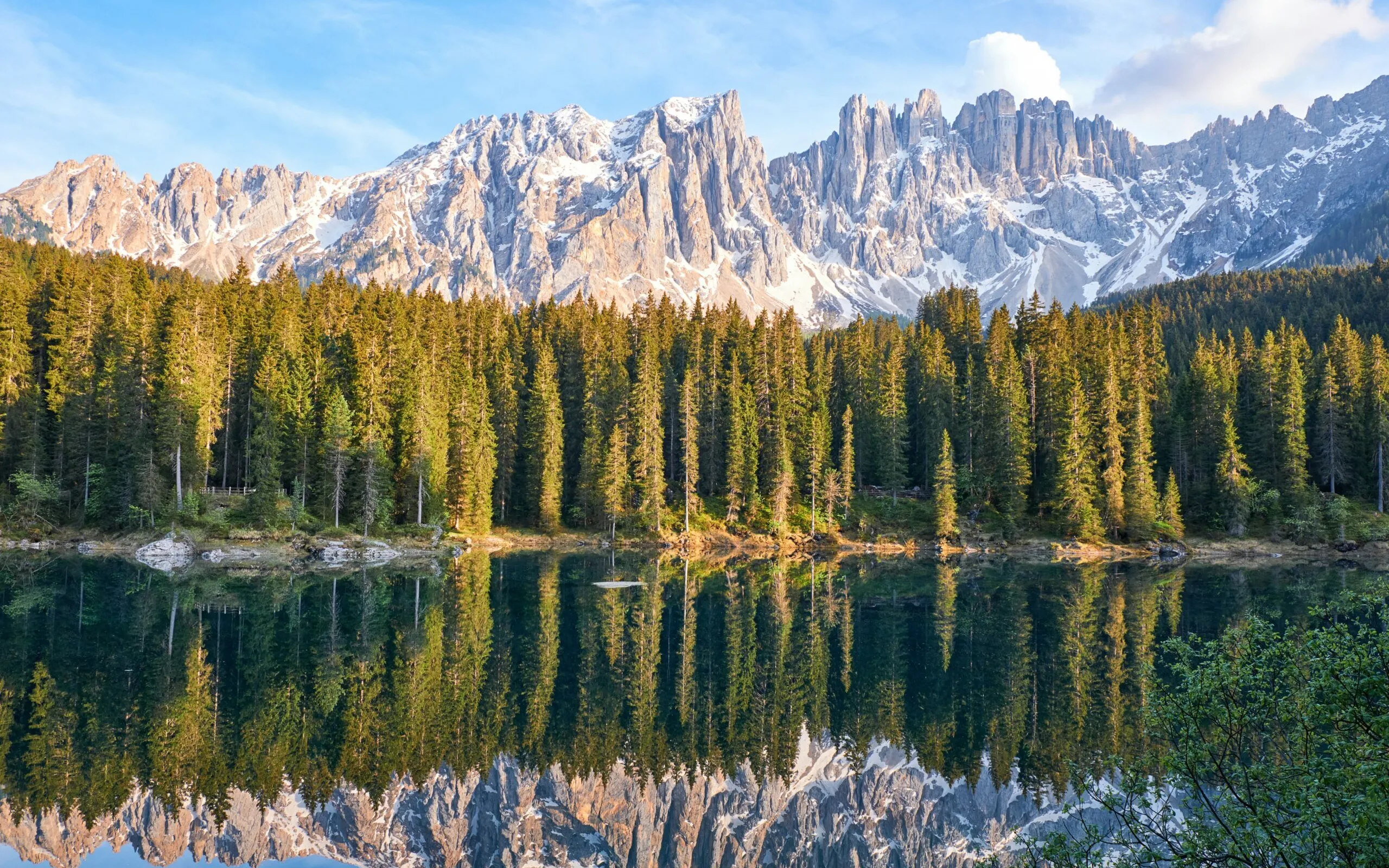
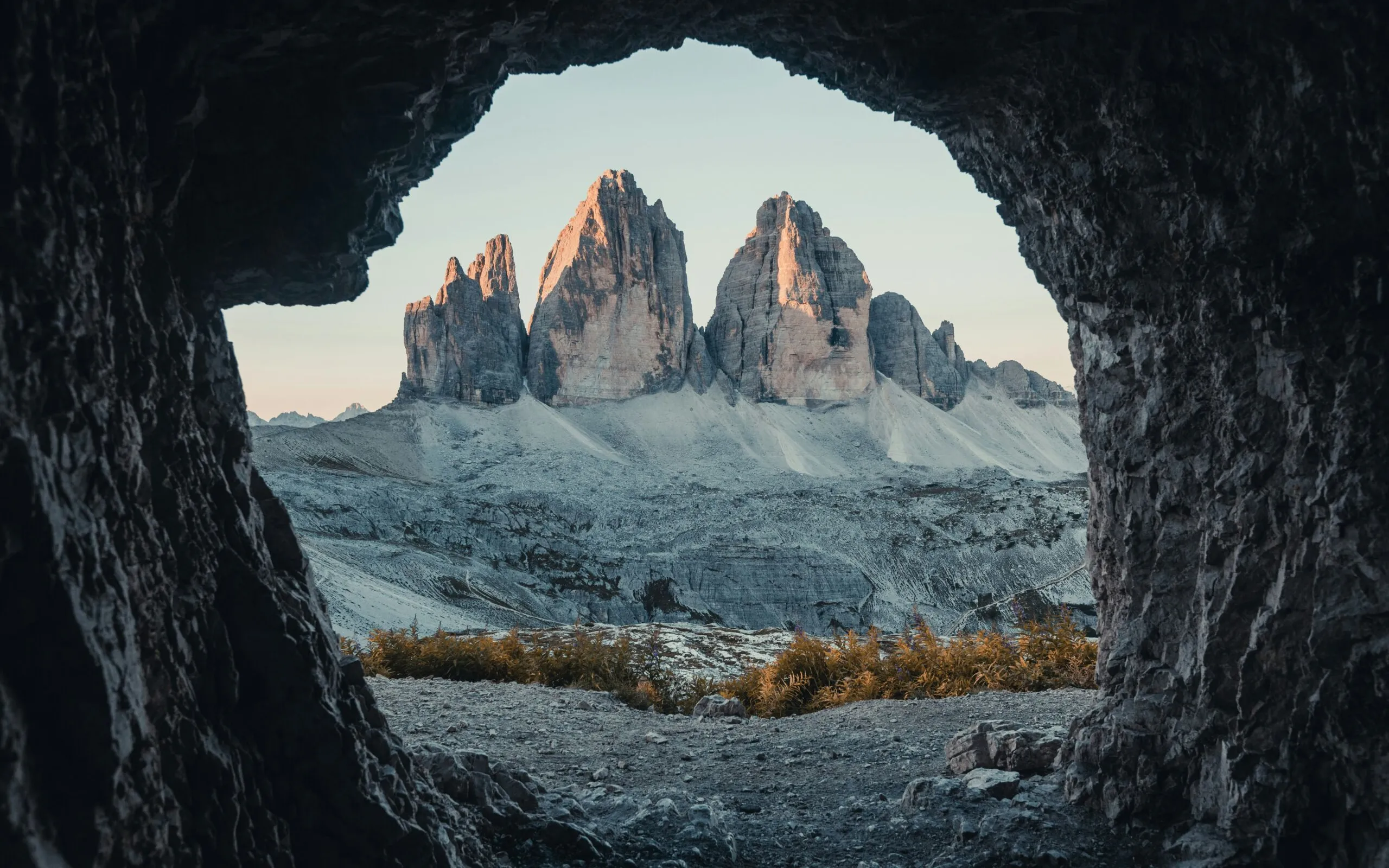
The Dolomites, known in local legend as the Pale Mountains, rise dramatically from the gentle meadows and wooded hills of Val Badia. Their jagged peaks, sculpted like towers, castles, and cathedrals, pierce the sky, their pale rock glowing in the evening light. At dusk, the mountains come alive with enrosadira, the legendary alpenglow painting the cliffs in fiery shades of orange, red, and pink — a spectacle found nowhere else on Earth.
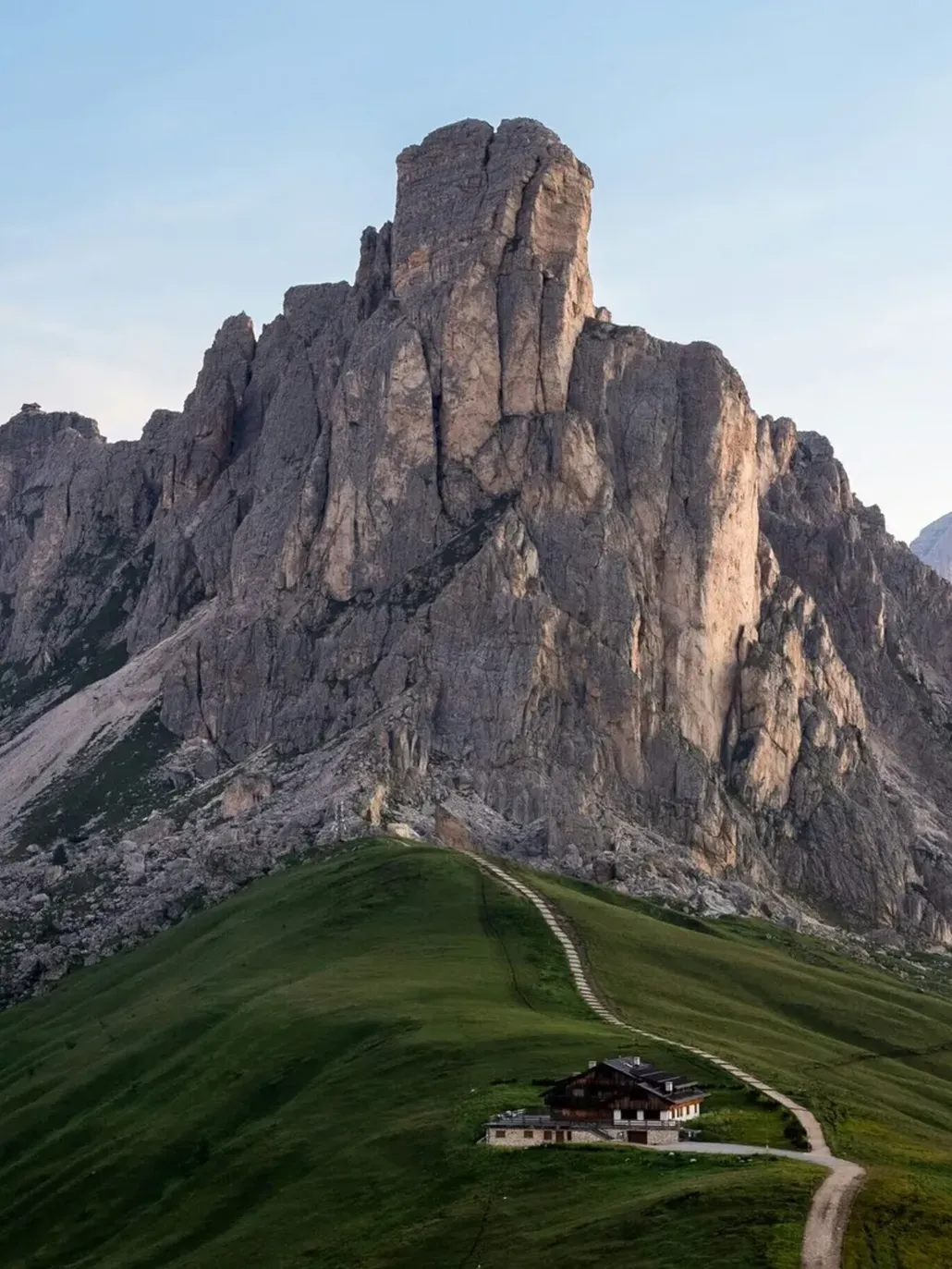
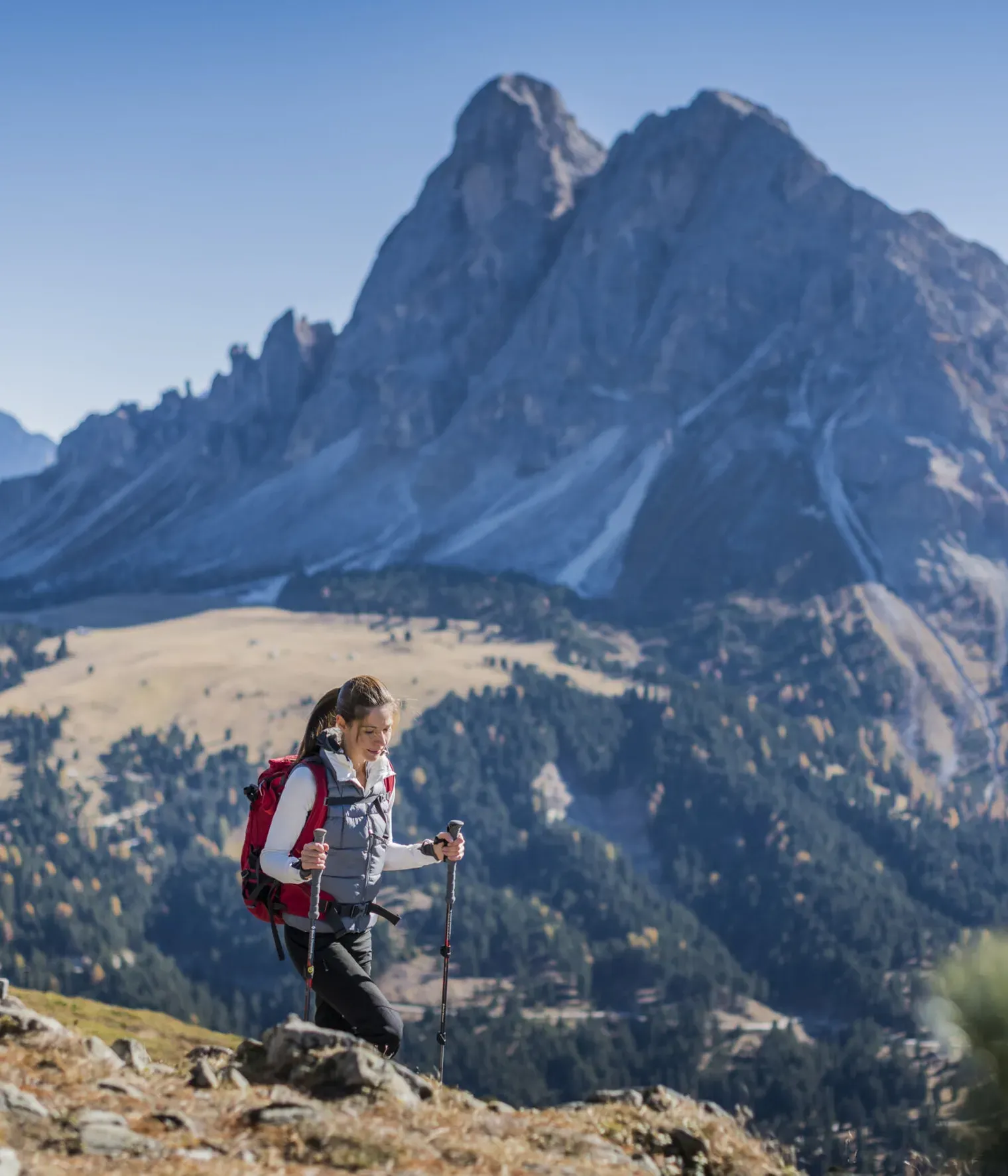
Venture into the Dolomites along the High Routes, ten long-distance trails weaving through the range from north to south and east to west. Two of these trace paths through Val Badia and Alta Badia, passing right by our own facilities. The Ütia de Börz mountain inn stands as a gateway to High Route 2, inviting adventurers to begin their journey at the very heart of the mountains.
For those seeking variety, countless climbing trails rise toward these unique peaks, offering challenges and panoramas at every turn. Mountain bikers can tackle the Sellaronda, circling the Sella Group and discovering all four Ladin valleys, or create a personal itinerary, wandering where the landscape and imagination lead.
A UNESCO treasure
The story of the Dolomites
In 2009, the Dolomites were declared a UNESCO World Heritage Site, meaning that they are officially recognized as a natural scenario worth of special recognition and conservation. The reason behind the listing lies in the exceptional beauty of the rock formations and their natural context, as well as in their unique geological and geomorphological significance. This meant that protection of this natural landscape is no longer just a local matter, but a concern and duty of mankind as a whole.
The areas inscribed on the UNESCO list are 9 separate mountain ranges, scattered over the whole Dolomites region. Some of them lie in South Tyrol, as the local Nature Parks of Fanes - Sennes - Prags and Puez - Geisler, while others rest in the Trentino, Veneto or Friuli Venezia Giulia regions.
The Dolomites owe their characteristic pale colours and unexpected shapes to the geological history of the region and the particular natural process which created them. 250 million years ago, the whole area lied underwater, as part of the prehistoric Thetis Ocean. The Dolomites themselves where huge coral reefs created by millions of years of natural marine sediments piling up. Eventually, the collision of the African and European tectonic plates pushed the Alps, and the Dolomites with them, above sea level, at first as tiny atolls, then as small islands, until they became the huge mountains we know today.
The geological importance of these particular mountains was discovered at the end of the 18th Century. Déodat de Dolomieu was the first geologist to describe them in a scientific paper. This was the moment the Dolomites got their name as well.